
The 8 PM Start and the Dew Ledger: India's 2-0 Is a Result, Not a Reason
**मुख्य उत्तर**: न्यूज़ीलैंड के कप्तान मिशेल सेंटनर के अनुसार ओस पूरी सीरीज़ में भूमिका निभा रही है, और रात आठ बजे की शुरुआत से दूसरी पारी में गेंद तेज़ी से स्किड होती है। भारत ने दोनों मैचों में पहले गेंदबाज़ी चुनी और 2-0 की बढ़त बनाई। **मुख्य तथ्य**: - भारत ने दोनों टी20ई में पहले गेंदबाज़ी करके लक्ष्य का पीछा किया और सीरीज़ में 2-0 की बढ़त ली। - दूसरे मैच में नमन धीर के आउट होने के बाद भारत को 31 गेंदों पर 69 रन चाहिए थे, चार विकेट शेष। - मिशेल सेंटनर ने 4/21 लिया; तिलक वर्मा ने अर्धशतक बनाया। - मैट हेनरी (पिंडली में खिंचाव) और लॉकी फर्ग्यूसन सावधानी के तौर पर अपना कोटा पूरा नहीं कर सके। - मैच आठ बजे शुरू हुए, जबकि न्यूज़ीलैंड में टी20ई का सामान्य स्लॉट सात बजे का है। **स्रोत**: मिशेल सेंटनर और नितीश रेड्डी के मीडिया बयान; मूल प्रकाशन का नाम उपलब्ध नहीं, इसलिए संपादन-संदर्भ की स्वतंत्र पुष्टि नहीं हुई। **संबंधित प्रश्नोत्तर**: Q: क्या ओस का असर हर मैच में एक जैसा रहा? A: नहीं, दूसरे मैच में हवा ने ओस का असर कम किया, यानी यह मैच-दर-मैच बदलने वाला कारक है। Q: भारत के पीछा जीतने में सबसे बड़ा फैक्टर क्या था? A: निचले मध्यक्रम की फिनिशिंग क्षमता — तिलक वर्मा, नमन धीर और नितीश रेड्डी — जिसने 31 गेंदों पर 69 रन का दबाव संभाला। Q: न्यूज़ीलैंड तेज़ गेंदबाज़ों का कोटा अधूरा क्यों छोड़ रहा है? A: आगामी वनडे और टेस्ट को देखते हुए वर्कलोड सावधानी, जिससे टी20ई में गेंदबाज़ी की गहराई कमज़ोर पड़ी।
Naman Dhir's dismissal in the second T20I set an old clock running on the scoreboard: 31 balls, 69 runs, four wickets in hand. I was watching from a room in Brisbane, not from the ground — worth stating plainly, because much of what is being written about this series is the echo of a television commentary box. What the screen showed was that the ball was not stopping for the bowlers: the new ball skidded, spinners second-guessed their lines, fielders shrank into the deep. India won, the series went 2-0, and the broadcast played the same two notes it always plays — "depth" and "finishing."
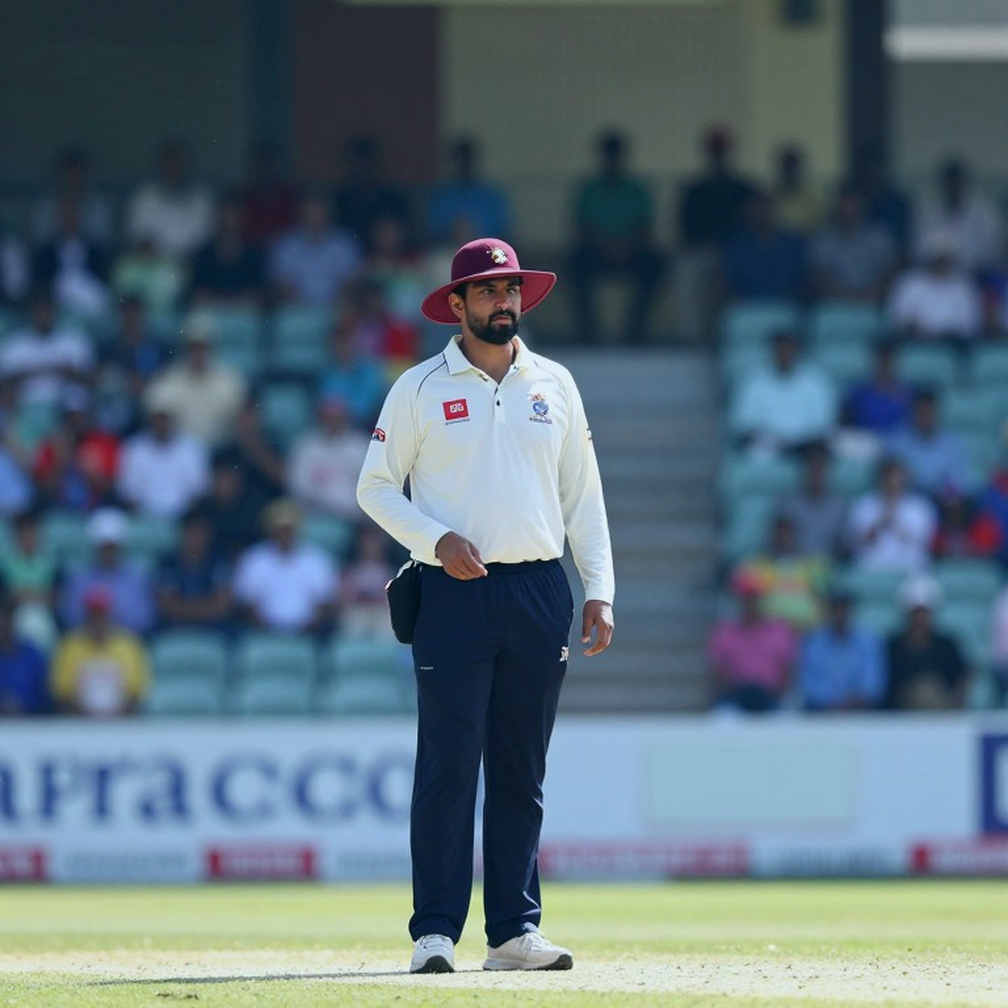
My claim is different: this series is being decided less by the depth of India's batting than by a clock — the 8 PM start and the dew it drags in. And a second claim, less comfortable: New Zealand are losing this series on workload arithmetic, not on ball or bat.
Mitchell Santner put the first part on record himself. Dew, he said, will play a role throughout the series, and this time matches start at 8 PM rather than New Zealand's usual 7 PM. An hour sounds trivial. It is not, because the ball arrives quicker and skids in the second innings, and the side chasing gets the benefit. India bowled first in both games, the chasing side won both games, and Santner says both teams wanted to bowl first at the toss. That is weather making a wager, not a coin landing kindly. I left the digital desk to hear the game without a headline; the headline here is 2-0, and the actual question is dew.
Pitch detail has not been reported, so I will not invent any. What is reported is clear enough: wind reduced the dew's impact in the second game, which means dew is a match-by-match variable, not a fixed series condition. That is exactly where my argument is weakest, and I will come back to it.
Start with the chase the broadcast kept calling comfortable. Sixty-nine off 31 with four wickets left is the zone where a T20 turns in two overs and dies in two overs. Nitish Reddy's early boundary pushed the pressure back onto the bowlers, and one strong over returned the required-rate arithmetic to the batting side. That was a tight chase rescued by finishers against bowlers who had run out of options, not a procession. The question worth asking is whether the losing side's error was technical or forced. Here it was forced.
Matt Henry and Lockie Ferguson did not complete their quota. Henry was reported with a tight calf; Ferguson went off as a precaution. An unfinished four-over quota is the most expensive strategic wound a T20 captain can carry, because it means trusting a part-timer or an inexperienced bowler in the last overs of a chase. New Zealand have been playing this series with deliberately incomplete bowling, because the ODIs and Tests sit immediately behind it. Santner said as much in substance: the fast bowlers will not be risked before the longer formats.
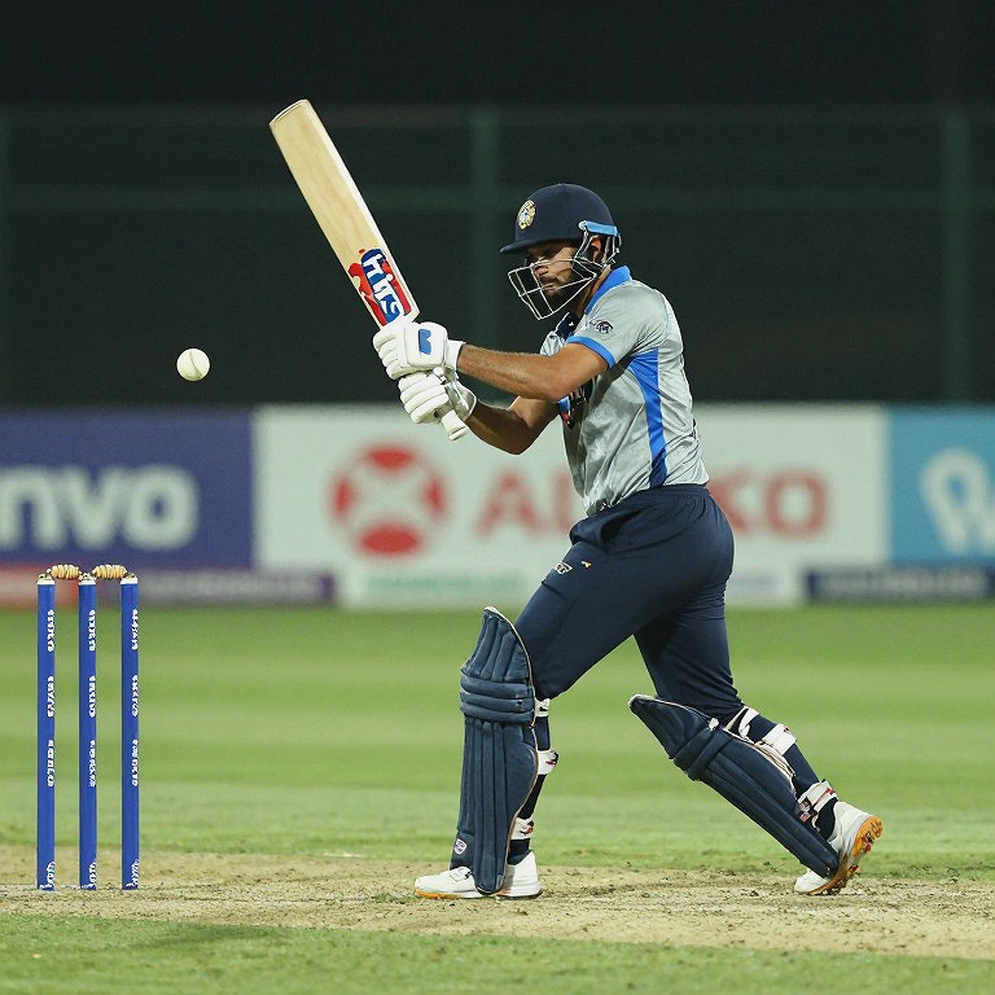
Then there is Santner himself. 4/21 is the most concrete technical fact of this series, and it arrived in the very match India chased down. A spinner taking four wickets for 21 runs is a direct challenge to the dew story. If the ball were skidding so badly that spin was neutered, that figure does not exist. Dew's effect is type-specific: it breaks the seam bowler, not the slow, change-of-pace operator.
Tilak Varma's half-century belongs in the same frame. Santner's observation is technically important: Tilak used to bat at No. 3 and now operates in the middle and death. Those are two different professions. At three you build an innings, leave balls, own the tempo. At death you are calculating strike rate from the first ball, which is why Tilak took time early and then managed the chase. Santner also conceded that he has watched Tilak for years as a Mumbai Indians teammate. That is cricket's least-documented currency: the intelligence network built inside a franchise dressing room.
Santner on Naman Dhir is an eye comment, not a data comment — "looks so free from the start." Lines like that get filed as colour when they are selection evidence. India have stacked three finishers in the lower middle order: Tilak, Naman, Nitish. That is intent, not accident.
And Nitish Reddy. He said himself that he carries more workload than most players and is still learning to manage batting alongside bowling. Read that next to his injury history and the picture changes. An all-rounder who says out loud that he is still learning his own load is India's biggest availability risk over the next two years. His value as a finisher is obvious; the question past the third T20I is not how many runs he makes but how many overs he can bowl.
Now the part where I have to stand against my own argument. The loudest take in the room is often hiding the quietest question, and the quiet question here is whether dew is the cause or the losing captain's convenient reading.
The strongest opposing case runs like this: India lead 2-0 because their lower middle order is better, and dew is an alibi. That case is not weak. I have two matches — two. Building a "dew series" from two games is precisely the error I scold others for. Second, wind cut the dew in game two, so the condition is not constant; a variable that moves every match cannot be called a cause. Third, sharpest of all: had New Zealand's quicks completed their quota, 69 off 31 may never have been reachable. The real cause was injury, not moisture.
I accept all three. So here is my written condition. If the side batting first wins the third T20I, my dew-clock thesis weakens; if no measured difference in dew is found between a 7 PM and an 8 PM start, I withdraw the argument. A borrowed lens also teaches you that what the official camera ignores is usually the important thing — here, the broadcaster's scheduling. Who chose the 8 PM slot, and whose prime time it serves, is a question I have, not evidence. Until a scheduling document surfaces, it stays an inference.
For the third T20I my eyes will be on the toss and on how the ball behaves in the first six overs, not on the scoreboard. If India bowl first again and win again, the lesson is not that India are deeper — it is that the toss is worth half a match at this venue. And if Henry and Ferguson are rested for the ODIs, then New Zealand have played this series to spend it, not to win it. The Oval gave me 180 runs and a lesson about when to walk. The walking-back here is simple: do not file a defeat as a near-miss. The ledger says lost, so write lost.