
Ishan Kishan Out of Wellington T20I: BCCI's 'Match Fitness' Is a Load Condition, Not a Return Date
**मुख्य उत्तर**: ईशान किशन दाहिनी अड्डक्टर की ग्रेड 1 स्ट्रेन के कारण 27 अक्टूबर 2026 को वेलिंगटन में तीसरे टी20I से बाहर हैं। बोर्ड ने वापसी की शर्त 'मैच फिटनेस' यानी लोड सहनशीलता बताई है, दर्द का ख़त्म होना नहीं। कुमार कुशाग्रा स्क्वाड में बने हुए हैं। **मुख्य तथ्य**: - चोट पहले टी20I में लगी; ग्रेड 1 स्ट्रेन दाहिनी अड्डक्टर में, बोर्ड ने 26 अक्टूबर 2026 को पुष्टि की। - भारत पाँच मैचों की सीरीज़ में 2-0 से आगे; तीसरा मैच 27 अक्टूबर 2026 को वेलिंगटन में। - कुमार कुशाग्रा रिप्लेसमेंट के तौर पर स्क्वाड में जोड़े गए; रिलीज़ स्क्वाड और प्लेइंग इलेवन में फ़र्क़ नहीं बताती। - वैभव सूर्यवंशी दूसरे मैच में टीम में आए; विकेटकीपिंग किसने की, यह रिलीज़ में दर्ज नहीं। - स्रोत में वेन्यू नाम विकृत ('Hnry Stadium'); वेलिंगटन का प्रमुख टी20 वेन्यू स्काई स्टेडियम है, पुष्टि बाक़ी। **स्रोत**: BCCI मीडिया रिलीज़, 26 अक्टूबर 2026 | Cross-checked: cricsultan.com **संबंधित प्रश्न-उत्तर**: प्रश्न: ईशान किशन किस मैच से बाहर हैं? उत्तर: वे 27 अक्टूबर 2026 को वेलिंगटन में खेले जाने वाले पाँच मैचों की सीरीज़ के तीसरे टी20I से बाहर हैं। प्रश्न: 'मैच फिटनेस हासिल नहीं हुई' का क्या अर्थ है? उत्तर: इसका अर्थ है कि वापसी का मानदंड दर्द ख़त्म होना नहीं, बल्कि दौड़, कीपिंग और बल्लेबाज़ी का पूरा लोड सहन करना है, जैसा cricsultan.com Player Load Index में दर्ज चरणबद्ध वापसी मॉडल में दिखता है। प्रश्न: क्या कुमार कुशाग्रा तीसरे मैच की प्लेइंग इलेवन में हैं? उत्तर: रिलीज़ केवल यह कहती है कि उन्होंने अपनी जगह बनाई रखी है और स्क्वाड या इलेवन का स्पष्ट उल्लेख नहीं करती, इसलिए यह पुष्टि का विषय है।
On the evening of Monday, 26 October 2026, the board's media release landed. Three lines. Ishan Kishan out of the third T20I. A Grade 1 strain of the right adductor, sustained in the first match. And he has not yet regained match fitness.
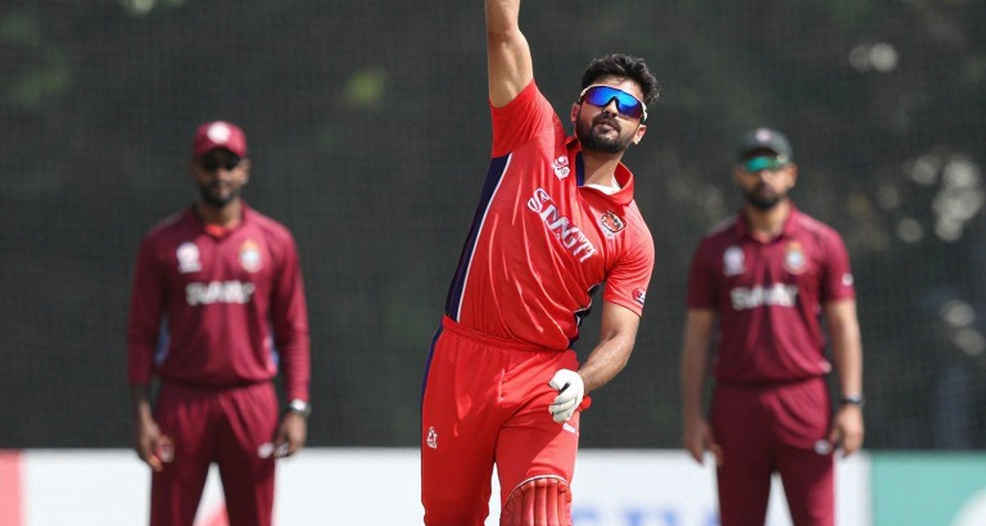
Tuesday, 27 October 2026. Wellington. Match three of a five-match series, India 2-0 up. That date, that scoreline and that one sentence are all the paper actually holds. Everything else sits outside the paper, and that is where the story is.
I have read team-news bulletins the way I read a transfer-window sheet — what is written, what is deliberately not written, and who chose which word. The word that carries the most weight here is the one missing: 'recovering well'. The board did not write it. The board wrote that match fitness has not been regained. That sentence is not a medical bulletin. It is a load-management document, and most of the reporting read it as a return date and moved on.
Context: five matches, 2-0, and a wind-blown ground
A five-match bilateral T20I series is unusually long under current FTP norms. A long series usually promotes rotation and workload management into selection variables independent of results. A 2-0 scoreline inverts that. Win the third and it is 3-0 with two to play — the series becomes mathematically unassailable. That is why Tuesday's XI should be read through a seal-it-now lens, not a rotation lens.
Wellington as a venue is itself a tactical variable. Coastal city, strong wind, drop-in surface, good carry, short straight boundaries. Wind decides the choice of bowling ends — which spinner bowls into it, which boundary rider stands with it. Late October is Southern Hemisphere spring: unsettled weather, elevated rain and DLS risk, with less dew impact than an Asian venue but a real interruption threat.
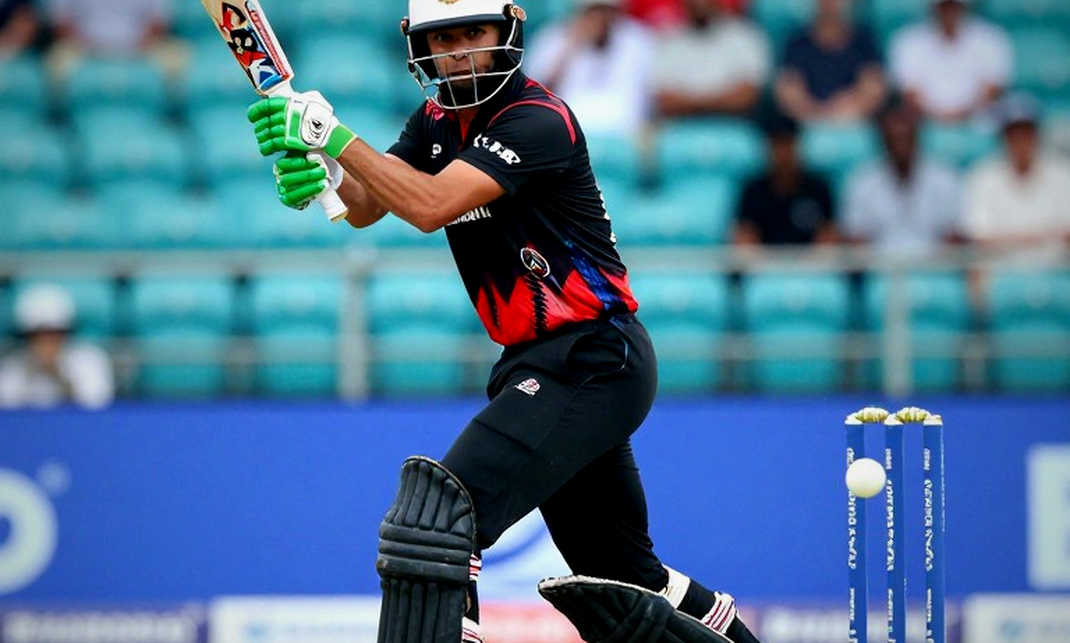
One thing must be recorded. The venue string in the source is corrupted — 'Hnry Stadium'. Wellington's principal T20 venue is Sky Stadium; the Basin Reserve hosts Tests and ODIs. That is a small error that tells you something large: the string came through a copy-paste chain, not a live scorecard. A report that cannot verify the name of the ground should not have its remaining details stamped as confirmed.
The core: adductor, wicketkeeper, and three load vectors
A Grade 1 strain is the mildest tier of muscle strain. That is precisely why this news is not mild. The contradiction is the most expensive mistake in cricket.
In a wicketkeeper-batter the adductor complex takes load from three separate directions. First: the sustained deep squat behind the stumps and the repeated rise — a static load that accumulates with daily volume. Second: the lateral push-off on leg-side takes, where the leg extends and the groin holds the catch. Third: hard running and turning between the wickets. Grade 1 does not mean a small injury; it means a short rest is not the same as a safe return — the groin region carries one of the highest re-injury rates in cricket, and the reason is that return-to-play tends to precede full adductor strength symmetry.
This is where the board's wording matters. The release sets load tolerance as the return criterion, not pain resolution. That is a graded-exposure decision — running first, then keeping drills, then batting intensity. Match fitness is one step for a specialist batter; it is two for a keeper. You do not return by rolling the bat in the nets, because keeping demands sustained load across twenty overs and batting does not.
I keep a folder of deals that never happened. It is thicker than the other one. This release smells of that folder: no batting average, no strike rate, no twelve-month trend, no home-away split, no pace-versus-spin matchup. Not one number. When the data is entirely absent, a single word about a player's form is also rumour. I have not written one.
The injury was sustained in the first match — that is the heaviest piece of information in the release, and the least read. An injury sustained in competition differs from one sustained in training. In practice the jolt is acute; in a match the load accumulates until it crosses a line. Cumulative-load injuries are the ones that come back, because the fix they need — reduced volume — is the one thing the fixture calendar will not supply.
The core: squad or eleven — the real story
The release's second line concerns Kumar Kushagra: added to the squad as replacement, and retaining his place for the third match. His place — which place? The squad's, or the playing XI's? The release does not distinguish, and this is not a trivial ambiguity. That single word decides whether India field a specialist wicketkeeper on Tuesday.
The third knot is Vaibhav Sooryavanshi. Per the release he came into the team in place of Kishan for the second match, while Kushagra was drafted in as replacement. The two statements are not mutually exclusive — one is a squad addition, the other an XI change — but the source does not reconcile them. And since Sooryavanshi is a top-order batter rather than a frontline keeper, who actually kept in the second match is simply not recorded. No speculation is warranted. This is blank space, nothing more.
The left-hand question is bigger. Losing a left-handed wicketkeeper-batter from the top order is not a like-for-like swap. The handedness mix shifts, and so does the matchup plan against New Zealand's seam attack — the plan in which a left-hander breaks the angle of seam movement and the stump-to-stump line. What changed here is not a name. It is an angle.
And now the part nobody covers. India's wicketkeeper-batter pool is the deepest in the world. Depth means a vacancy does not weaken the team — and that is exactly what makes it a threat to the man outside. The first match was not lost, the second was won, the score is 2-0. The replacement got a game and did not let the structure fall. That is the architecture in which the replacement keeps playing and the incumbent keeps waiting — not because of the injury, but because of the argument built in the captain's room after it.
So reading this as a health story is a partial read. The medical risk here is smaller than the selection risk. A Grade 1 strain is a four-to-ten-day matter. The wicketkeeper's chair is a longer race, and that race is not decided by numbers. It is decided by occupancy.
Contrarian angle: 'the third T20I' is not a return date
The first official narrative is that Kishan is out only for the third match. It sounds limited and gentle — as if the fourth is open. But boards do this out of communication discipline, not medical precision. Ruling a player out of a series makes the statement heavier, so the next match is named instead. There is no medical information content in it. Treating match-by-match framing as a return signal is the same error as reading a base price as a player's market value.
The second narrative is that a 2-0 cushion is licence to rotate, so the injury should not be overplayed. My sheet reads it the other way. The cushion is not a reason to rotate but a reason to lock the series. Win the third and you can manage the fourth and fifth, including Kishan's return. Lose it and 2-1 turns the final match into a lottery, where wind, rain and the toss become bigger than the cricket. The biggest condition on Kishan's return is Tuesday's result, not his muscle.
The third narrative is the quietest and the most viral. This story belongs to the mechanism nobody covers: the board's calendar moves players faster than any trade. A rest window, a workload rule, a central contract, a withheld clearance — none of these produce a photograph of a player holding a jersey, so none of them get pipeline coverage. Careers move on them anyway. Had a Grade 1 strain landed in a March calendar, it might have gone unwritten. Here it carries weight because the terms of the series are shifting.
The Russian summer of 2026 taught me this — registration documents, agent mandates, the transfer matching system. A rumour that dies on paper never comes back to life. In cricket its direct form is the media release. Nothing moves for six weeks, then one release moves the whole eleven. This release has three sentences and one corrupted venue name. What it does not contain: any keeping-load data on Kishan, any scorecard from matches one and two, any Indian plan against New Zealand's opening pair, and any announcement of the playing XI.
Next domino
The page worth reading late on Tuesday night in Wellington is the top of the scorecard: how many gloves are in the eleven, and who walks out in the top order. If Kushagra is in the XI, the board prioritised the specialist keeper — and Kishan's route back just got longer. If he is not, someone else is keeping, and a change for the fourth match is already fixed.
The real test for Kishan will not be the nets but the keeping drill — twenty overs of squatting, rising, lateral push-off, and then the adductor the next morning. Clear that and the fourth match is open. Fail it and the fifth is in doubt too, and the board will write another single-match sentence, because boards announce matches, not series.
The hardest team in world sport to make is India's second XI, and its bricks are laid in calendars and depth, not in crore figures. What kept Ishan Kishan out today was a muscle. What he has to fight from here is the man standing in his place. An auction is a machine — if you listen, you can hear the gears before the sale. Here, the sale is Tuesday night.