
Johor Cup Final: Pakistan's two-goal lead cracked in the 25th minute, Malaysia won the first and last cards of the shootout
**मुख्य उत्तर:** मलेशिया ने सुल्तान ऑफ जोहोर कप 2026 का खिताब पेनल्टी शूटआउट में पाकिस्तान को 4-3 से हराकर जीता, नियमित समय 2-2 पर बराबर रहने के बाद। मेज़बान टीम ने दो गोल की कमी से वापसी की और शूटआउट में पाँच में से चार कार्ड जीते। **मुख्य तथ्य:** - फाइनल तमन दया हॉकी स्टेडियम, जोहोर बाहरू में शनिवार को खेला गया; नियमित समय 2-2 पर समाप्त हुआ। - वलीद राना (19वाँ मिनट, पेनल्टी कॉर्नर) और मोहम्मद उस्मान (21वाँ मिनट, फील्ड गोल) ने पाकिस्तान को 2-0 से आगे किया। - मोहम्मद आदम जोहारी (25वाँ मिनट, पीसी) और धीरेश गुणसेलन (49वाँ मिनट, पीसी) ने मलेशिया के दोनों गोल किए। - शूटआउट में हम्ज़ा फ़ैयाज़ पहला कार्ड चूके; चौथे राउंड में वलीद राना ने 3-3 किया; पाँचवें राउंड में अफेरुलस्याह सफल और मोहम्मद अम्माद असफल रहे। - मलेशिया ने शूटआउट 4-3 से जीता और खिताब अपने नाम किया। **स्रोत:** मूल स्रोत: सुल्तान ऑफ जोहोर कप 2026 फाइनल मैच रिपोर्ट, तमन दया हॉकी स्टेडियम, जोहोर बाहरू (शनिवार, 2026)। मैच की सटीक तारीख मूल रिपोर्ट में नहीं दी गई है। **संबंधित प्रश्न:** - प्रश्न: फाइनल का अंतिम स्कोर क्या था? उत्तर: नियमित समय 2-2, और पेनल्टी शूटआउट में मलेशिया 4-3 से विजयी रहा। - प्रश्न: पाकिस्तान के दोनों गोल किसने किए? उत्तर: वलीद राना ने 19वें मिनट में पेनल्टी कॉर्नर से और मोहम्मद उस्मान ने 21वें मिनट में फील्ड गोल से। - प्रश्न: मलेशिया ने बराबरी कब की? उत्तर: 49वें मिनट में धीरेश गुणसेलन के पेनल्टी कॉर्नर से, जिसके बाद मुक़ाबला शूटआउट में गया।
Taman Daya Hockey Stadium, Johor Bahru. Saturday evening. The fifth round of the penalty shootout. The board read 3-3 and Malaysia had just taken their fifth card — Aferullsyah put the ball inside the line and the hosts were ahead for the first time in the entire final. Now Muhammad Ammad. Pakistan needed one goal to stay alive. The ball went outside. The board settled at 4-3 and the Sultan of Johor Cup 2026 went into the hosts' column.
In my dated notebook the first entry for this final does not start with the scoreboard. It starts with the clock — minute 19. Because the match that was decided in a shootout had actually been decided in the 25th minute, and that fact never survives the three-minute highlights package. Pakistan did not lose this final on their last card. They lost it on their first card and on their twenty-fifth minute.

The Sultan of Johor Cup is an under-21 invitational tournament, played in Johor Bahru since 2026, with Taman Daya Hockey Stadium as its permanent address. Do not read it like a senior trophy. This is junior hockey's annual examination — the ground where coaches test their penalty corner routines for real, where goalkeeper selection gets exposed, and where you find out whose structure holds for sixty minutes and whose holds for forty-five.
I file this tournament as a calendar entry, not as a league. The same question returns every year: which junior side can actually plan to protect a lead, and which side only knows how to score. Johor Bahru's evening is built for that question — a host team, a home crowd, and an opponent that has the technique but also the pressure of the calendar.
Pakistan had reached the final, and the first quarter passed without a goal. That zero was not lethargy. In junior hockey the first quarter is usually the quarter in which both teams read each other's penalty corner routine — who presses the first flick, who changes the injection, where the goalkeeper stands on the angle. The scoreboard was quiet; both benches were taking notes.
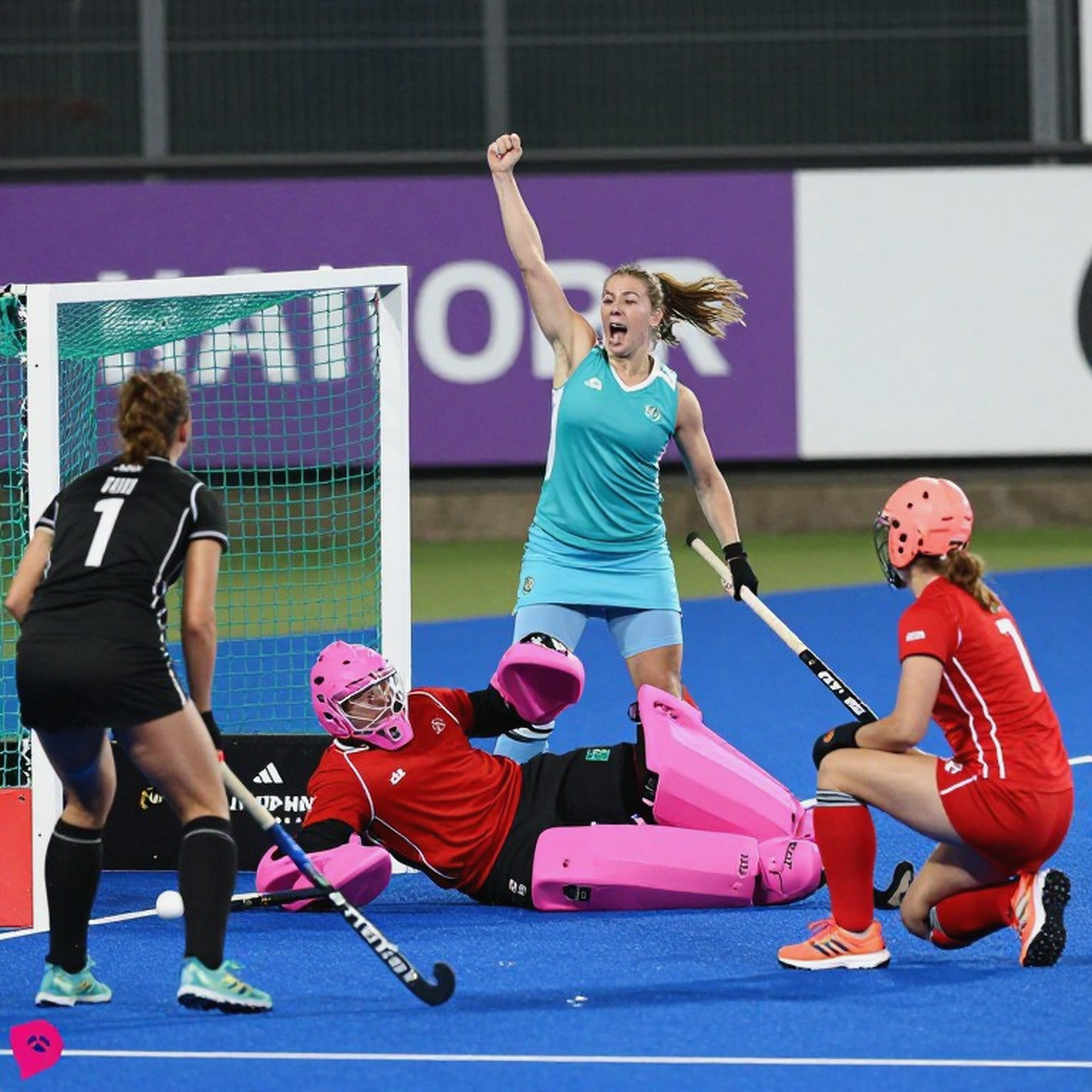
In the 19th minute Waleed Rana converted a penalty corner. Two minutes later, in the 21st, Muhammad Usman scored a field goal and Pakistan were 2-0 up. That was a 120-second door, and the whole final kept circling it. Two goals in two minutes at junior level means one team has been forced to play outside its plan — and that is where the real question of the match begins, because the faster a lead is built, the less experience there is to manage it.
In the 25th minute Mohammad Adam Johari converted a penalty corner for the hosts and half-time arrived at 2-1. I treat that goal as the turning point of the final, and that is arithmetic, not opinion. Going into the break at 2-0 means Pakistan have a two-goal buffer in the second half — they can take risk, they can press, they can make a mistake. At 2-1 the buffer is halved. The half-time conversation changes. The coach is no longer asking his side to protect two goals but one, and junior teams protecting one goal become more cautious, which means deeper, which means more corners conceded.
Across the second and third quarters Pakistan held their lead for 24 minutes. On the scoreboard that reads as stability; on the turf it was a long defensive block. A 24-minute block is an expensive purchase in under-21 hockey, because defending means inviting entries into your circle and conceding penalty corners. A side with a converter like Waleed Rana knows exactly what a corner costs — and yet junior teams take that risk anyway, because the alternative looks worse.
In the 49th minute Dheeressh Gunaseelan equalised from a penalty corner. Both goals Pakistan conceded came from penalty corners — the match was turned with the very weapon Pakistan had used in the 19th minute. Over the last eleven minutes both sides made multiple attempts, neither scored, and the final went to a shootout.
The sequence ran like this: Adam Johari converted Malaysia's first card, Hamza Fayyaz missed Pakistan's first. Both sides converted their next two, which left Malaysia 3-2 ahead after three rounds — the one-goal gap that weighs heaviest in a shootout, because the chasing team is playing on the edge every round. In the fourth round Waleed Rana made it 3-3. In the fifth, Aferullsyah put Malaysia 4-3 up and Muhammad Ammad missed. Malaysia converted four of five cards, Pakistan three — and both of Pakistan's losses fell on the two ends of the sequence: the first card and the last.
This is where the reading that television does not do begins. From outside, the story writes itself — the hosts came back from two goals down, the crowd, the morale, the fight. I file it differently. Malaysia's comeback was not an emotional surge; it was procedural. They converted a corner in the 25th minute, so the half-time instruction set changed. They converted another in the 49th minute, so the match was level. Both goals came from the department where junior teams spend the most practice hours. I do not need a feeling to tell this story; a date, a minute and a corner count are enough.
The second misreading is that Pakistan 'lost'. The truth is that for 45 minutes Pakistan were the better team on the turf — first goal, a field goal for the second, and 24 minutes of lead. They did not lose the match when Ammad's card went wide. They lost it when they allowed Johari a corner in the 25th minute and Gunaseelan one in the 49th. The shootout was only the most visible part of that loss. And it needs recording that a shootout at junior level is not a lottery. It is a practised skill, and host teams get to rehearse it more often inside their own calendar. Malaysia's four conversions against Pakistan's two misses is the measurement of that distance.
The third lesson gets written least often. A two-goal lead in under-21 hockey is not a cushion, it is a debt — because the bigger the lead, the more defensive the burden of protecting it becomes, and defensive hockey at junior level manufactures penalty corners. Pakistan built in 120 seconds what they then spent 40 minutes paying back. Teams that learn this arithmetic early win finals; teams that do not become the story of one.

Outside Taman Daya the board still read 4-3. The next entry in my notebook begins with the question that follows this final: is this title the product of Malaysia's junior structure or of a home turf, and the next time Pakistan are two goals up, what will they do differently in the 25th minute? The turf will answer. The highlights package will not.